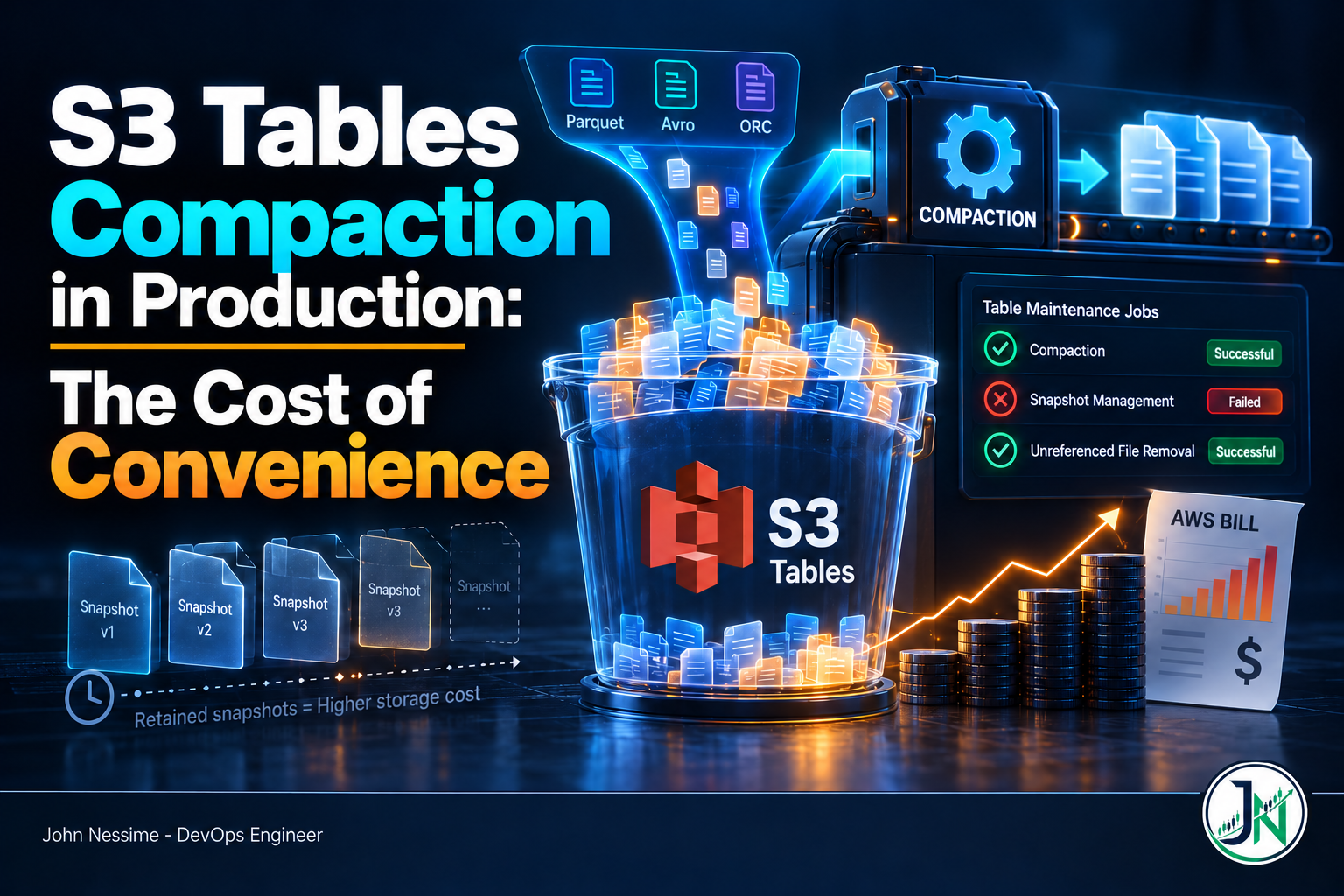
S3 Tables Compaction in Production: The Cost of Convenience

Managed Iceberg compaction in S3 Tables removes real operational work, but it will not tell you when it stops. A practical look at the maintenance jobs that fail silently, the retention cascade that keeps superseded data on your bill for two weeks, how compaction charges actually accumulate, and the handful of knobs worth touching.
Continue ReadingS3 Tables Compaction in Production: The Cost of Convenience

Building an Audit Evidence Repository on AWS: Immutable Retention Without Regret

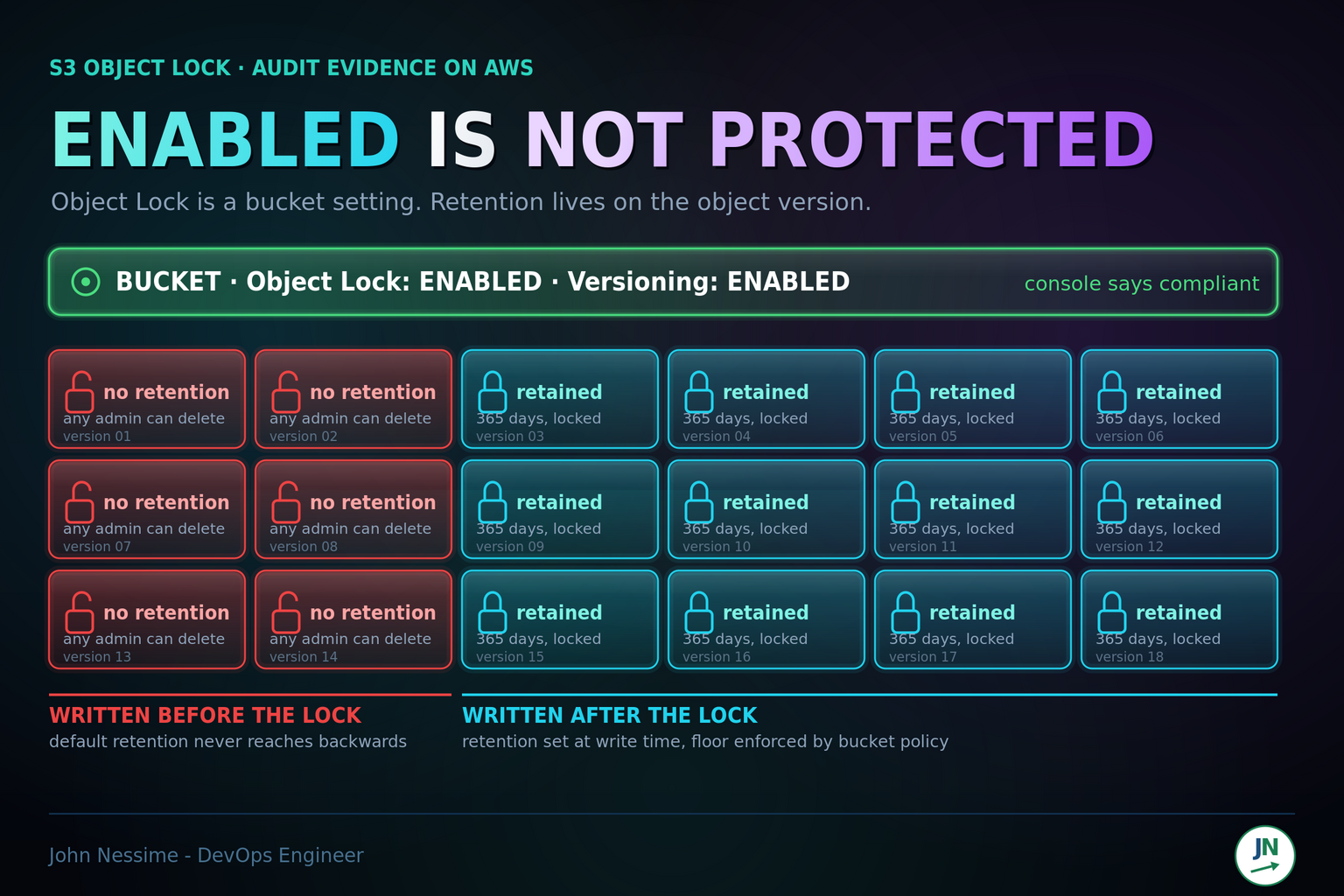
Enabling S3 Object Lock on a bucket does not protect the objects already in it. This is how to build an audit evidence repository on AWS that survives the question auditors actually ask, covering retention modes you cannot undo, delete markers that hide protected versions, chain of custody, and the storage bill compliance mode makes permanent.

Continue ReadingBuilding an Audit Evidence Repository on AWS: Immutable Retention Without Regret

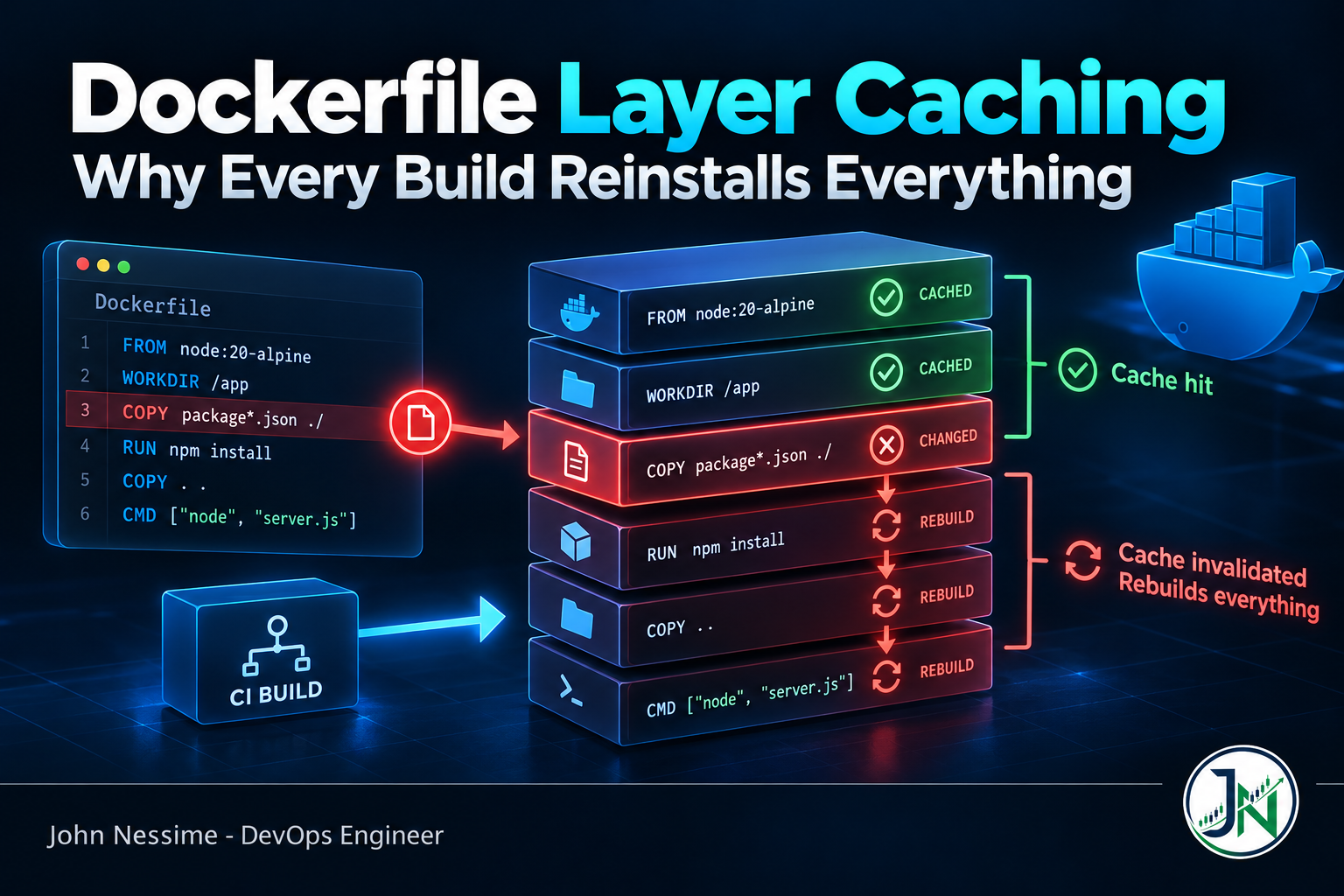
Dockerfile Layer Caching: Why Every Build Reinstalls Everything

Your Dockerfile copies the lockfile before the source, and CI still reinstalls every dependency on every commit. That gap between a correctly ordered Dockerfile and a build that behaves as if it isn't comes down to five distinct failure families: ordering traps, a build context that poisons checksums, a cache that never reaches CI, cache mounts that vanish with the runner, and multi-stage export modes. Here is how invalidation actually works and how to prove which one is costing you.

Continue ReadingDockerfile Layer Caching: Why Every Build Reinstalls Everything
Read more about the article Your WordPress 403 Isn’t the Rule You Think: Tuning ModSecurity False Positives
A WordPress 403 error isn't always caused by a malicious request. ModSecurity false positives can block legitimate updates. Inspect anomaly scores and tune specific WAF rules without weakening site security.

Your WordPress 403 Isn’t the Rule You Think: Tuning ModSecurity False Positives

A 403 from ModSecurity almost never names the rule you need to change. Under anomaly scoring, detection rules only add to a score and a separate blocking rule returns the error. This guide covers reading the audit log backwards, choosing between the four exclusion mechanisms, the WordPress failure families that cause most false positives, and why raising the anomaly threshold quietly destroys your coverage.

Continue ReadingYour WordPress 403 Isn’t the Rule You Think: Tuning ModSecurity False Positives
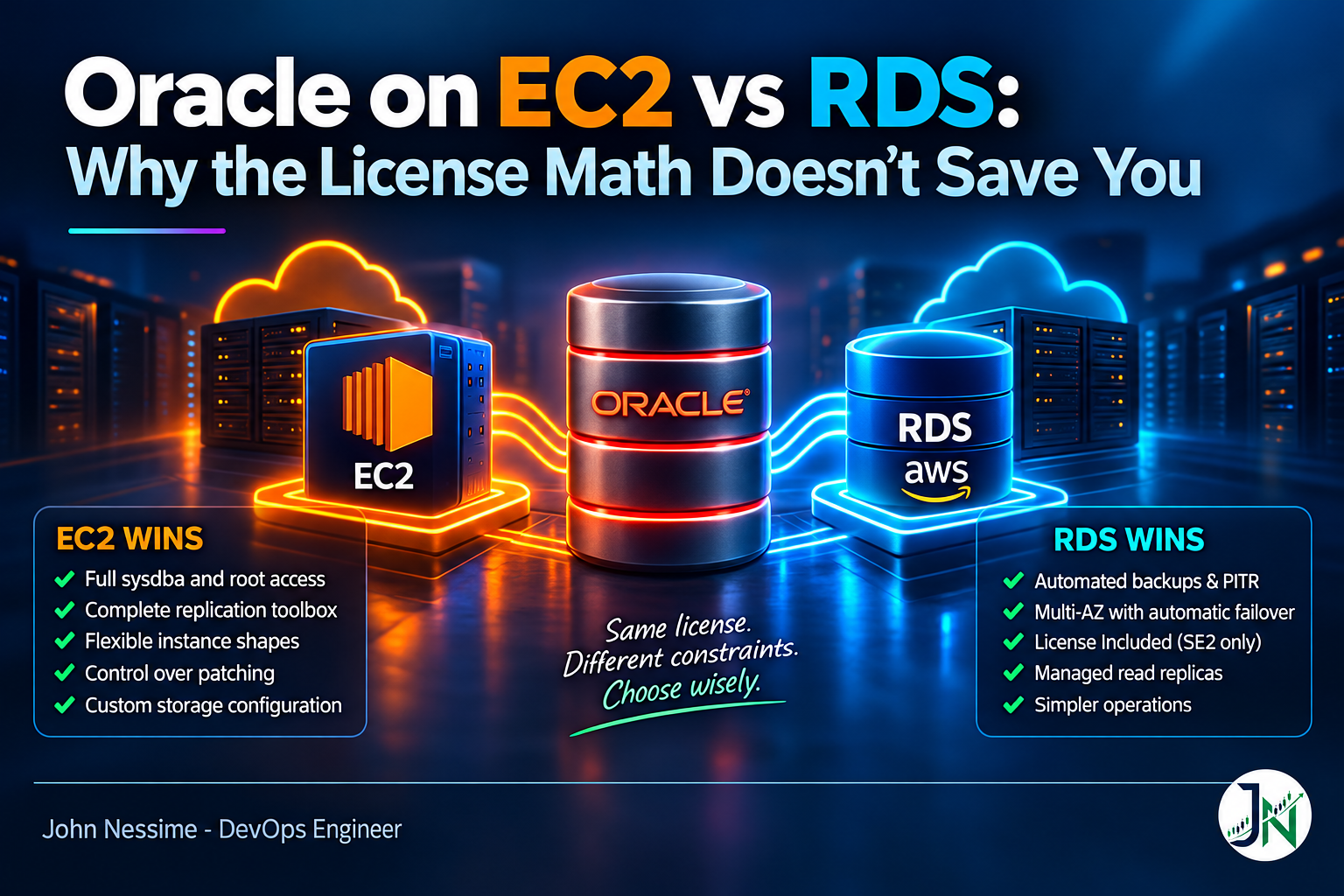
Read more about the article Oracle on EC2 vs RDS: Why the License Math Doesn’t Save You
Oracle on EC2 vs RDS: The same BYOL licensing rules, but different operational responsibilities, administrative privileges, and infrastructure constraints.

Oracle on EC2 vs RDS: Why the License Math Doesn’t Save You

Oracle counts a vCPU the same way on EC2 and on RDS, so the platform choice never saves you licensing money. What it does change is sysdba access, block size and file limits, who owns backups and failover, and the Multi-AZ setting that quietly doubles your BYOL count.

Continue ReadingOracle on EC2 vs RDS: Why the License Math Doesn’t Save You

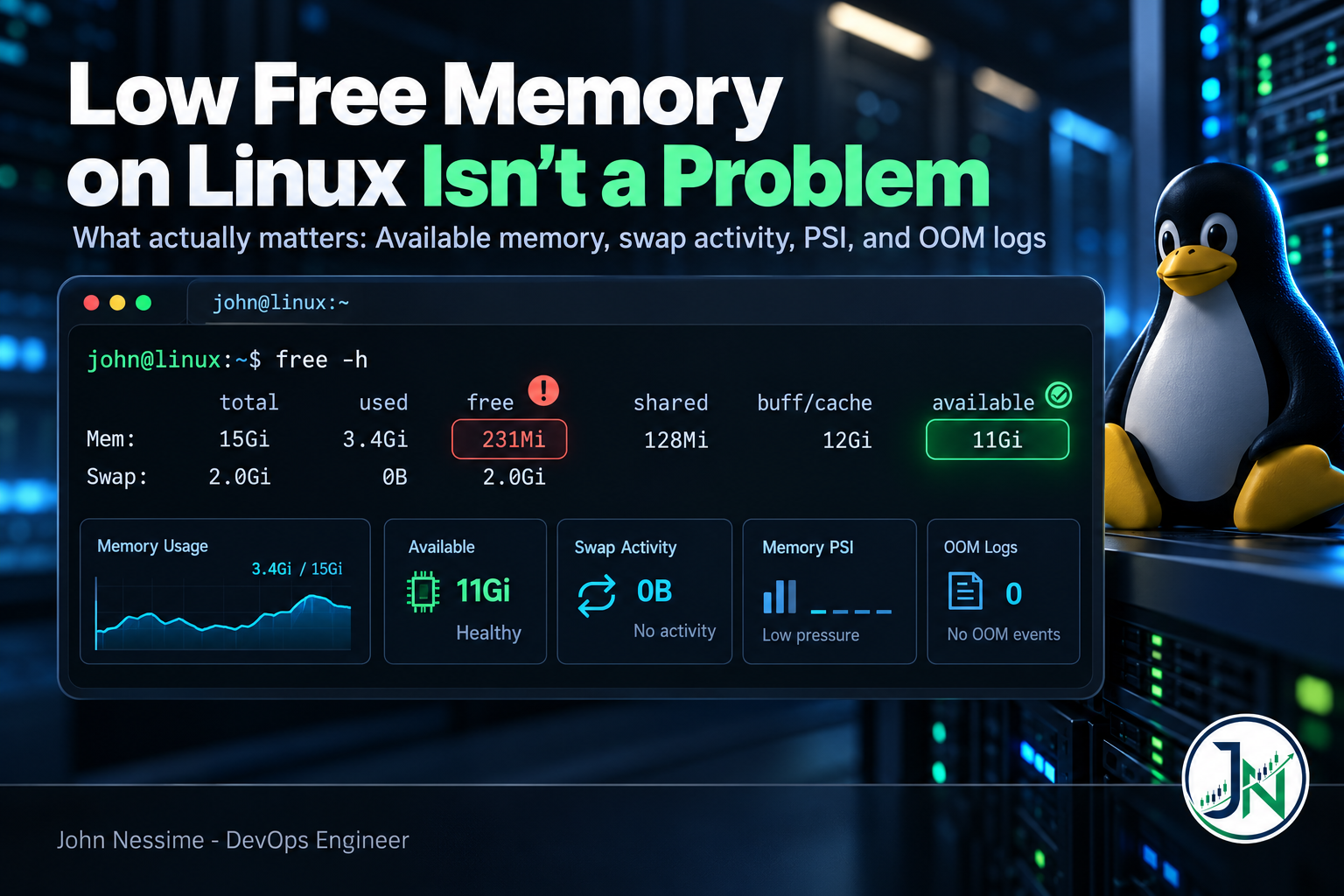
Low Free Memory on Linux Isn’t a Problem. Here’s What Actually Is.

A screenshot of free -h showing 200 MB free triggers more unnecessary change requests than almost any other output in server operations. Here is what the free command is really reporting, why the available column is the one that matters, and the four signals that actually tell you a machine is running out of memory: available, swap rate, pressure stall information and the OOM log.

Continue ReadingLow Free Memory on Linux Isn’t a Problem. Here’s What Actually Is.

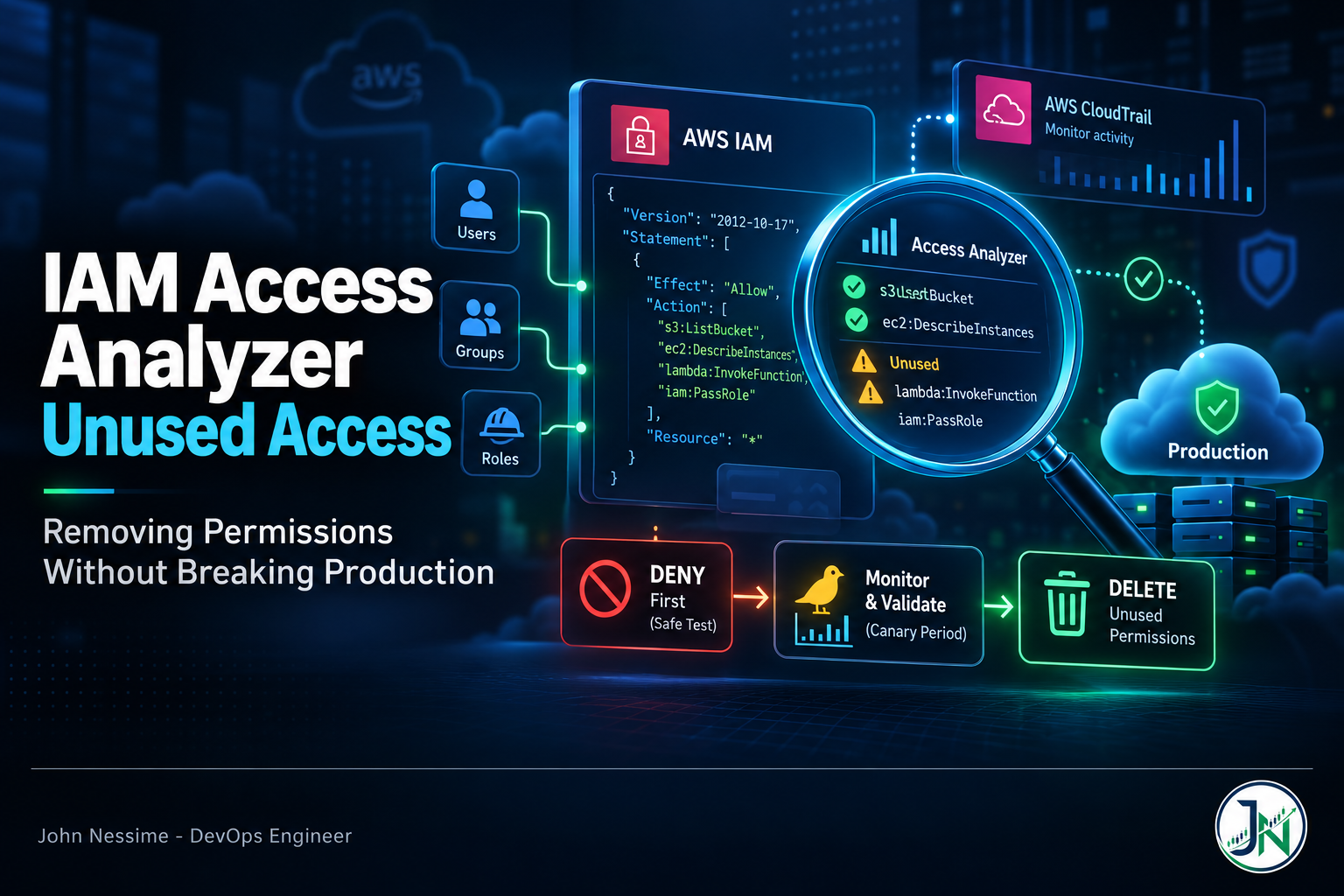
IAM Access Analyzer Unused Access: Removing Permissions Without Breaking Production

Unused access findings tell you what AWS did not record activity for, which is not the same as what your workload does not need. Here are the four blind spots in the underlying data, and a deny-before-delete procedure that lets you trim IAM permissions with a one-call rollback.

Continue ReadingIAM Access Analyzer Unused Access: Removing Permissions Without Breaking Production